GD STAR AUTO · PROCUREMENT & EXPORT
Why Cars Fail to Start in Winter | GD Star Auto
Discover why used cars and new electric vehicles may have trouble starting in winter. Learn about battery performance and cold-weather car maintenance.
Updated:
## Why Cars and Electric Vehicles May Fail to Start in Winter Updated: 2026-11-27
A Guide for Buyers in Cold-Climate Countries
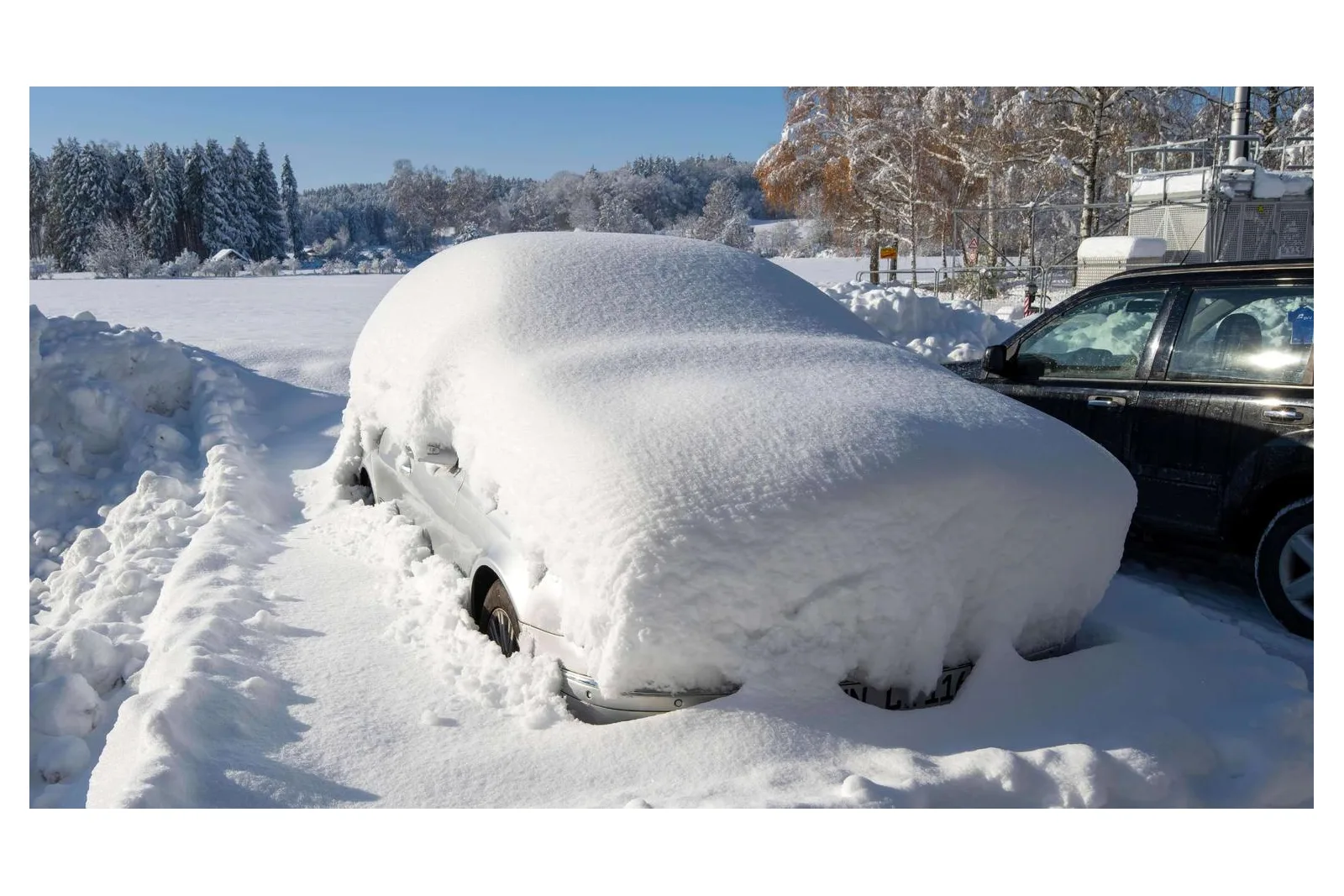
Winter can be challenging for both used cars and new electric vehicles (EVs). In countries such as Russia, Kazakhstan, Norway, Finland, Sweden and Canada, extremely low temperatures can affect vehicle batteries, engine performance and driving range.
Understanding these problems is important when purchasing a vehicle from China.
1. Why Do Cars Have Trouble Starting in Winter?
For used gasoline and diesel cars, the most common causes include:
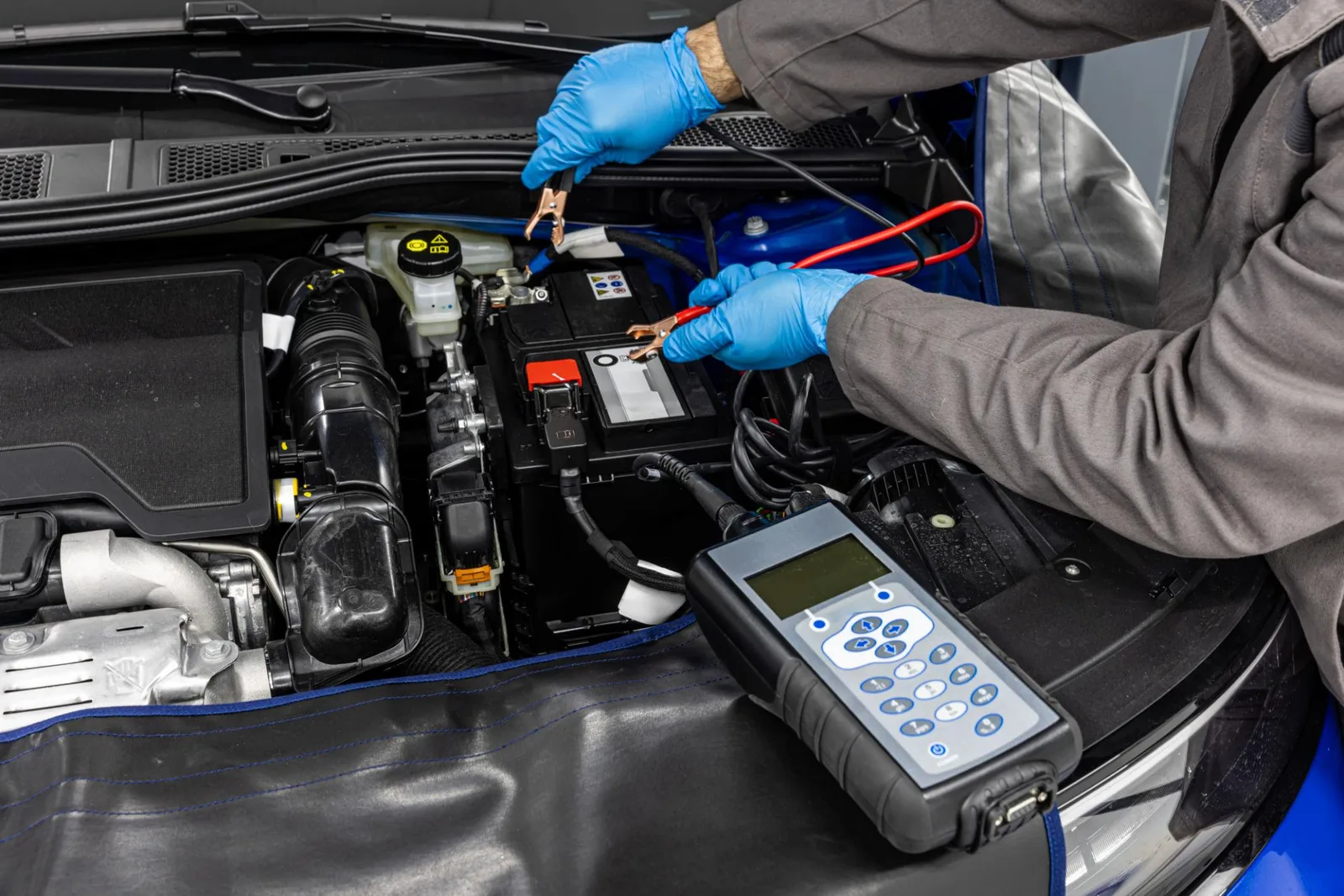
Weak 12V battery: Low temperatures reduce battery performance, making it difficult to start the engine.
Engine oil thickening: Cold oil increases engine resistance, requiring more power to start.
Fuel system problems: Moisture, poor fuel quality or frozen fuel lines can affect starting.
Aging components: Old spark plugs, glow plugs and electrical connections may cause starting difficulties.
2. Why Do Electric Vehicles Have Winter Problems?
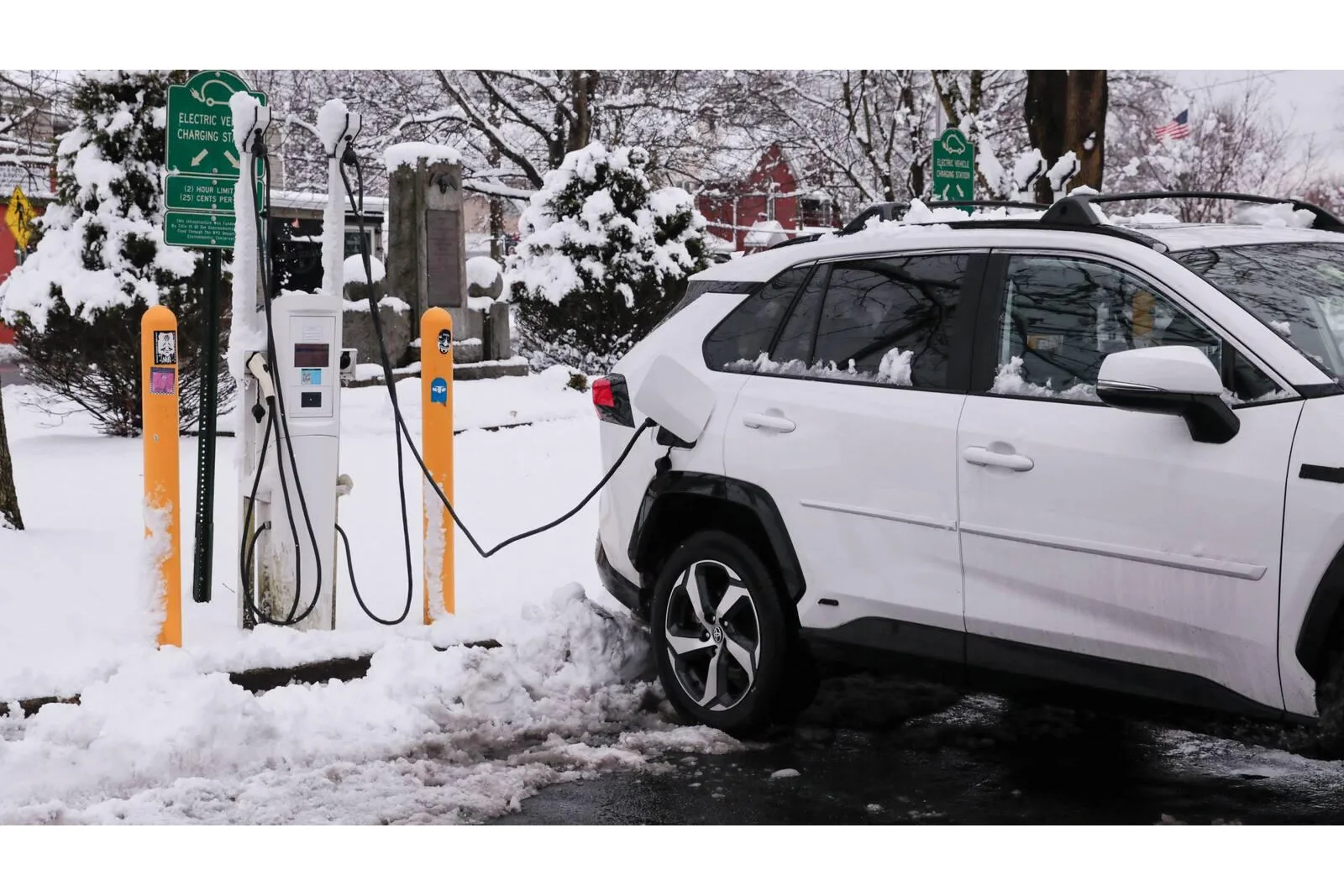
New electric vehicles do not usually need a traditional engine start, but extreme cold can still affect their operation.
Reduced battery performance: Low temperatures slow down lithium-ion battery reactions.
12V battery failure: A weak auxiliary battery may prevent the vehicle's electronic systems from starting.
Battery protection: The Battery Management System (BMS) may limit power when the battery is too cold.
Reduced driving range: Cabin heating and battery temperature control consume additional energy.
Cold weather does not mean an EV cannot work. Modern electric vehicles have battery management and thermal control systems to improve winter performance.
3. How to Prepare Vehicles for Cold Countries
Before purchasing or exporting a vehicle to a cold region, buyers should consider:
Checking the 12V battery and main battery condition.
Choosing vehicles with effective battery thermal management.
Checking heating systems and cold-weather features.
Using suitable engine oil and winter-grade fluids where applicable.
Inspecting tires, brakes and cooling systems.
4. Choose the Right Chinese Vehicle with GD Star Auto
GD Star Auto provides Chinese new and used vehicle sourcing and export services for international buyers.
Whether you are looking for electric SUVs, gasoline vehicles or hybrid cars, we can help you explore suitable vehicle options for your target market.
Frequently Asked Questions (FAQ)
Why does my car fail to start in extremely cold weather?
The most common reason is a weak 12V battery, which loses performance in low temperatures. Thick engine oil, frozen fuel lines and aging electrical components can also cause starting problems in used gasoline and diesel cars.
Can electric vehicles work normally in extremely cold countries like Russia, Norway and Canada?
Yes. Modern electric vehicles can operate in cold climates, but low temperatures may reduce battery efficiency, driving range and charging speed. Buyers should choose EVs equipped with battery thermal management, efficient heating systems and suitable cold-weather features.
Contact GD Star Auto for vehicle sourcing and export inquiries.
Website: https://gdstarauto.com/
The technical content in this article draws upon the following sources: - NHTSA – Winter Weather Driving Tips: The impact of low temperatures on batteries in conventional vehicles and electric vehicles (EVs). - NHTSA – Electric and Hybrid Vehicles: Battery management and temperature control in electric vehicles. - U.S. Department of Energy – Winterizing Your Electric Vehicle: Recommendations for the use and maintenance of electric vehicles during winter.